The Alchemy of Oak: A Guide to Enjoying Barrel-Aged Beer
Wait As An Ingredient
Barrel-aged beer asks something unusual of the drinker: patience. Wood, spirit, and time can transform a familiar stout, sour, or strong ale into something altogether different.
But once you’ve brought that special bottle home, another set of questions begins. Should you drink it now or cellar it? How cold should you serve it? What glass should you use? And does an expensive barrel-aged beer really improve with age?
I put those questions to two Maryland brewers who know their way around a barrel: Mike Tonsmeire of Sapwood Cellars and Paul Davidson of Elder Pine Brewing & Blending. Their answers offer a practical guide to getting more from your next barrel-aged beer.
You can read those articles here:
Five Rules for Barrel-Aged Beer

“I’m not intending this to be a single serving. I’m intending this to be something you’re sharing with friends.”
Share the Bottle
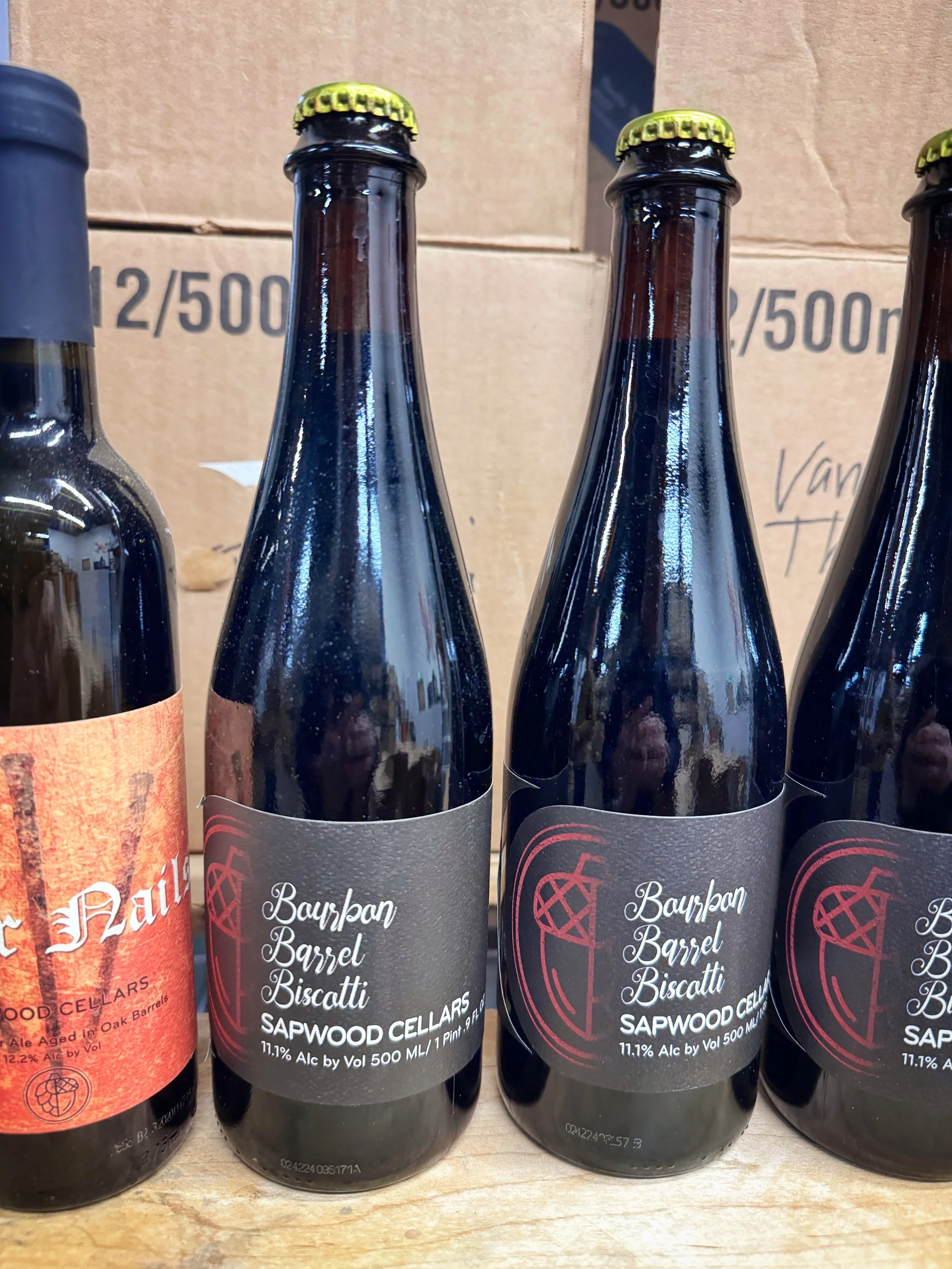
Mike Tonesmiere emphasizes that many of his barrel-aged stouts aren't meant for single servings and are best enjoyed when shared.
The low carbonation of some barrel-aged stouts lets you recap the bottle and enjoy it over a longer period.
Temperature Changes Everything
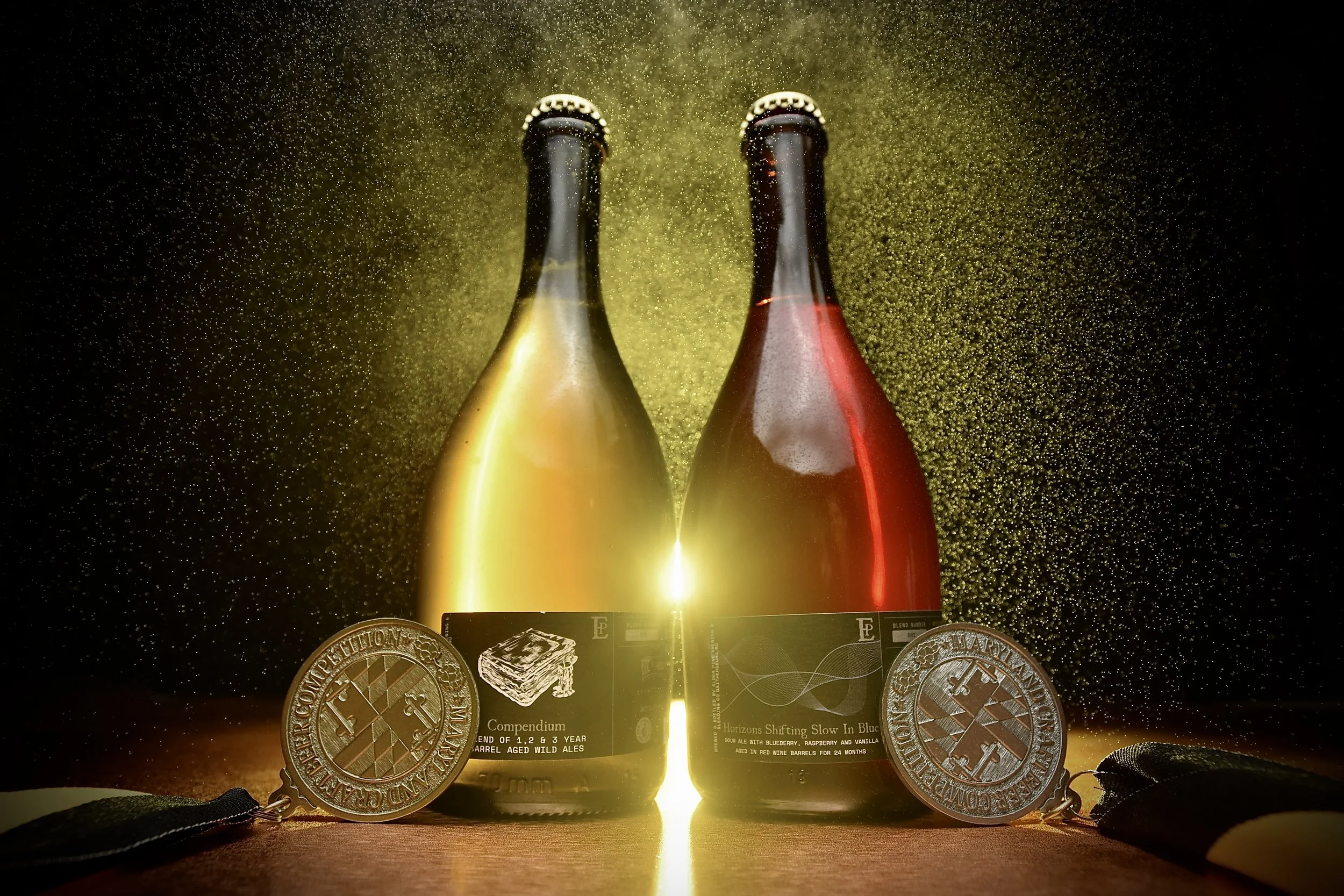
What are the best temperatures for the best flavors for barrel-aged beers? Paul Davidson says, “My sweet spot is 45º-55º for most styles, but if I've just come inside from working in my garden on a hot summer day, I'll gladly take a 38º pilsner to quench my thirst.”
Drink Now or Cellar?
Even barrel-aged beers are not "indefinitely bulletproof." Tonsmeire advises checking dates and generally consuming the beer as the brewer intended upon release, unless specific cellaring instructions are provided.
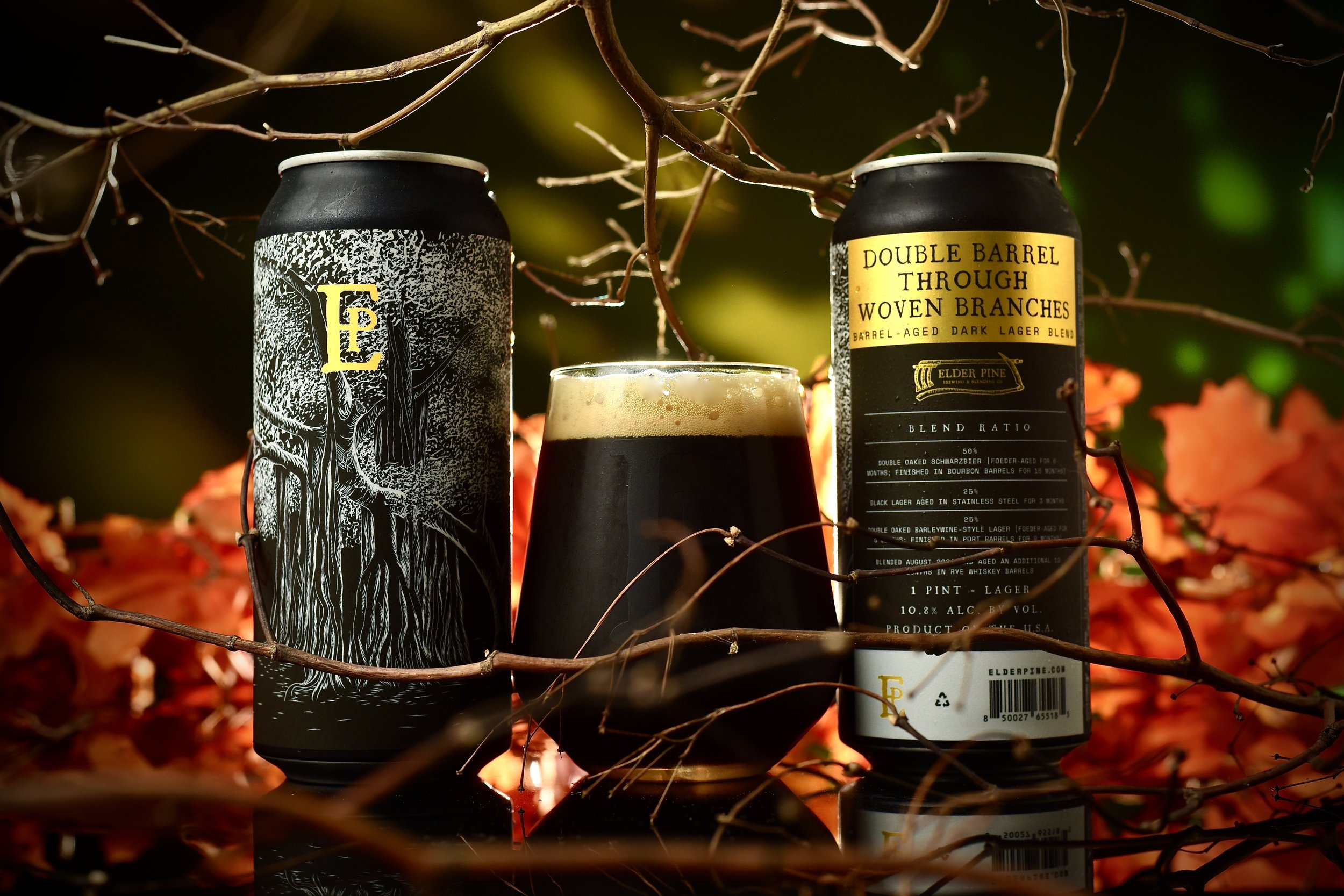
Davidson is more to the point. “To get the most out of 'clean' barrel-aged beers, I'll always recommend drinking them as fresh as possible to maintain the integrity of the beer.”
“To get the most out of “clean” barrel-aged beers, I’ll always recommend drinking them as fresh as possible to maintain the integrity of the beer. ”
Tonsmeire added, while his beers are released ready to drink, they are designed to age gracefully. He suggests buying two bottles—one to enjoy now and one to cellar for future occasions.
In Patrick Dawson’s classic book on the subject, Vintage Beer: A Taster's Guide to Brews That Improve Over Time, he shares four easy-to-remember rules for aging beer.
Rule No. 1: Start with strength.
Unless it’s smoked or sour, a beer should be at least 8% ABV for aging. Alcohol helps preserve beer and gives desirable aged flavors time to develop. Sour and smoked beers rely on lactic acid and smoke phenols instead.
Rule No. 2: Booziness mellows with age.
Harsh alcohol notes in strong young beers soften over time, developing flavors such as toffee, caramel, apricot, and grape.
Rule No. 3: Dark malts age toward sherry and port.
Amber beers can develop sweet, sherrylike notes, while roasted stouts often become more chocolaty and portlike.
Rule No. 4: Body thins over time.
As malt proteins drop out, beer gradually loses body. Good candidates for aging should therefore start full-bodied. Early syrupy sweetness usually comes from new aged flavors, not increased thickness.
Not Everything Improves With Age
Davidson shared some advice from a brewer: “I’d recommend never aging beer that contains adjuncts such as coffee, chocolate, vanilla, etc.”
“I’d recommend never aging beer that contains adjuncts such as coffee, chocolate, vanilla, etc.”
Fruit beers or dry-hopped barrel-aged beers are typically meant to be enjoyed fresher to appreciate their intended character.
There are many “rules" regarding the investment and risk of aging beer. One in particular is worthy of remembering when considering putting a beer aside for future imbibing — aging changes beer rather than simply preserving it. It may improve the flavor and the pleasure, or it may not, but it will change it. John Verive wrote in a 2017 column for the LA Times entitled How to age beer, and why you should probably try it, “The first crucial rule of aging beer is irrefutable: Age doesn’t necessarily make a beer better — it changes the flavor. Whether that new flavor is “better” is up to you."
Pairing Barrel-Aged Beer
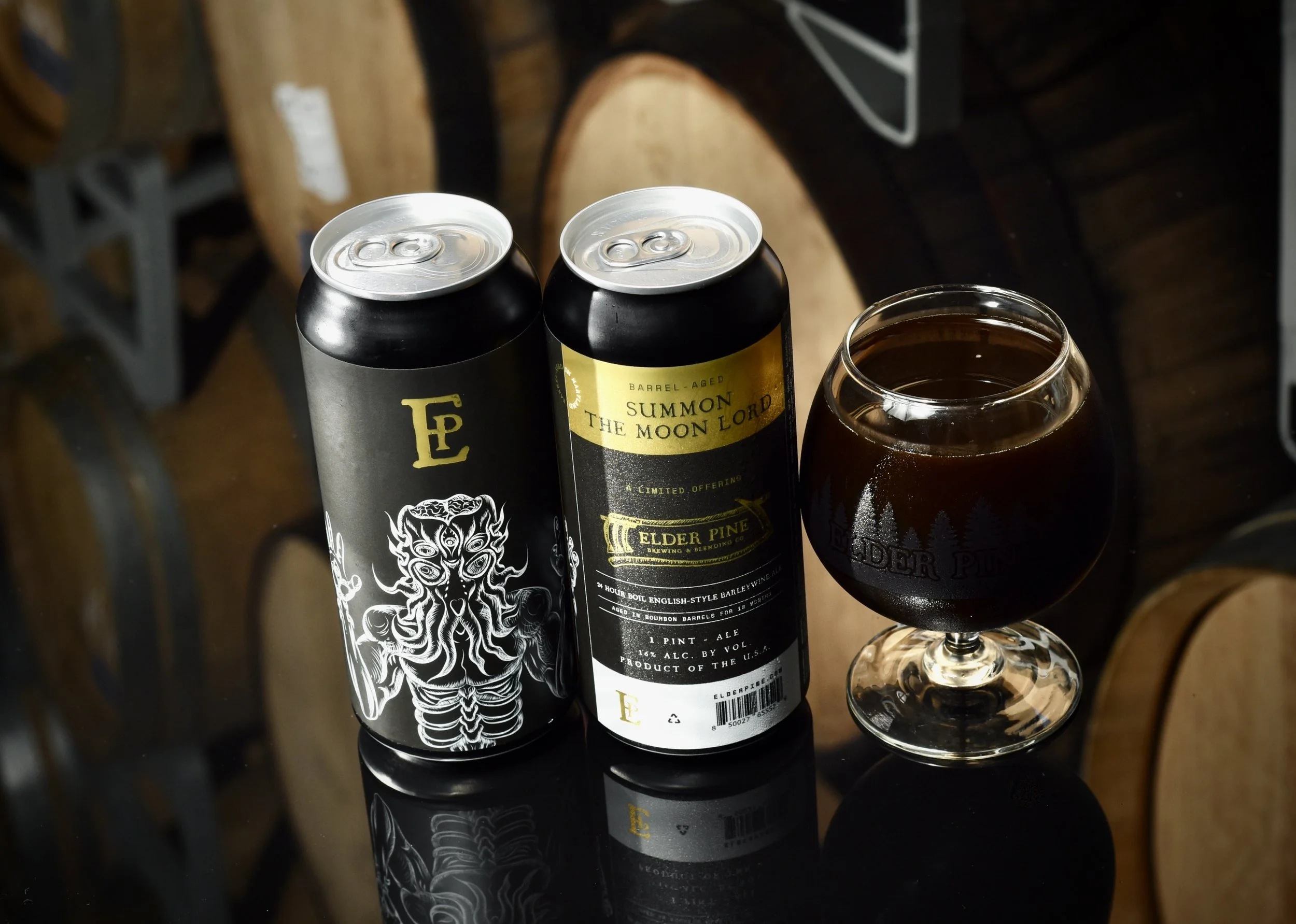
Savor these big, complex beers as a dessert. These beers are often rich and complex, making them ideal for sipping after a meal, on their own, or paired with dessert.
“A good pairing allows people to suspend their normal rules and open up to new experiences, changing them — at least in small ways — forever.”
In Beer Pairing: The Essential Guide From the Pairing Pros by Julia Herz and Gwen Conley, the authors have a few words about pairing barrel-aged beers with food.
“Keep nutty, chocolate, vanilla, and coconut in mind as your pairing partners for both beer and food, and you can’t go wrong with a bourbon or whiskey barrel–aged beer. German chocolate cake, anyone?”
“The chocolate is sure to complement any vanilla, coconut, and chocolate elements from the barrel. Various nuts such as pecans, walnuts, almonds, and hazelnuts should make for another complement.”
They add some specific considerations: “Grilled red meats, wild game, and aged nutty cheeses such as a cave-aged Gruyère are all a good match for strong tannins and alcohol barrel intensities.”
Your Experiences
What are your thoughts on these special beers that brewers put into barrels to build character and complexity? Do you seek these out? Do you drink now, put them away, or both? Do you have a few favorites? Share your comments in the section below.
The Rabbit Hole: Additional Resources
Depending on how deep you want to go down the rabbit hole, here are a couple of recommended sources for deeper knowledge on wood and beer and aging beer.
Wood & Beer: A Brewer's Guide — by Dick Cantwell and Peter Bouckaert. Description on Amazon.com — Join authors Dick Cantwell and Peter Bouckaert as they tell the story of the marriage between wood and beer from Roman times through medieval Europe to modern craft brewing. Cooperage is a long and venerable craft, and here the authors offer a description that combines the evocative and the technical. The smells, the heat, choosing the wood, drying, fashioning staves, steaming, firing, and assembling into a perfect container—at least perfect until the bunghole is drilled to accommodate the precious contents.
Vintage Beer: A Taster's Guide to Brews That Improve Over Time by Patrick Dawson — The 2014 Gold Medal Winner from the North American Guild of Beer Writers for Best Beer Book. Like good wine, certain beers can be aged under the right conditions to enhance and change their flavors in interesting and delicious ways. Good candidates for cellaring are either strong, sour, or smoked beers, such as barleywines, rauchbiers, and lambics. Patrick Dawson provides a list of easy-to-follow rules that lay the groundwork for identifying these cellar-worthy beers, then delves into the mysteries of how and why they age as they do. Beer styles known for aging well are discussed, and detailed profiles of commonly available beers in these categories are included. There is also a short travel guide for bars and restaurants that specialize in vintage beer, which gives readers a way to taste what this new craft beer frontier is all about.