In the ever-evolving landscape of craft beer, some breweries stand out not just for their exceptional beers but for the unique stories and philosophies that underpin their operations. Mayan Monkey Brewing, nestled within a vibrant Mexican restaurant, is one such gem. Here, brewer Matt Furda, a chemical engineer by training and a passionate innovator by nature, is crafting a cohesive and compelling beer program that perfectly complements its culinary surroundings, all while pushing the boundaries of tradition and taste.
The Brewer's Pedigree: From Chemical Engineering to Craft Beer Pioneer
Matt Furda's journey into brewing is as intriguing as the beers he creates. With a degree in chemical engineering, Furda's initial foray into the world of fermentation began with homebrewing in college, alongside a burgeoning interest in fermented foods like sourdough and sauerkraut. This early passion for science and hands-on creation laid the groundwork for a distinguished career in craft beer.
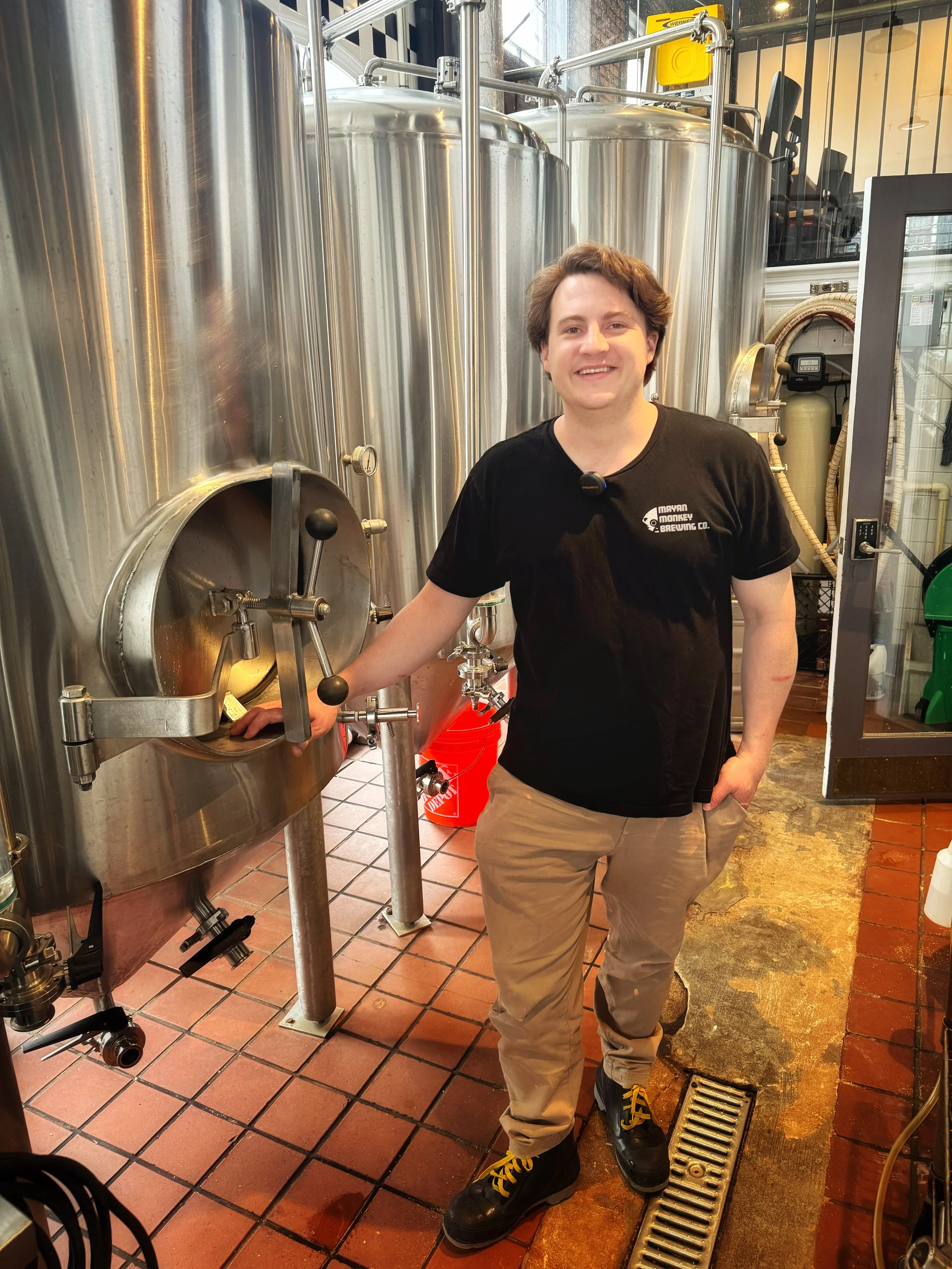
Matt Furda (brewer) in the brewhouse.
His professional path saw him hone his skills at some of Maryland's most respected breweries. He started at Flying Dog for two years, gaining foundational experience. He then moved to Caboose Brewing in Northern Virginia, where a sudden turn of events saw him promoted to Head Brewer overnight in March 2020, and he managed both locations for over a year after the entire brewing team was laid off. This period undoubtedly forged resilience and adaptability. Furda then joined Landmade Brewing (now closed) from the very beginning, contributing to what he fondly remembers as a "dream team" of passionate individuals.
Before landing at Mayan Monkey, Furda even attempted to launch two of his own breweries, coming "really, really close" on both occasions before funding or unforeseen circumstances intervened. During this interim, he diversified his experience by managing a coffee shop and a winery taproom, which are now invaluable to his holistic vision for Mayan Monkey. He joined Mayan Monkey at its inception, spending the first six months dedicated to licensing and getting the five-year-dormant equipment back online.
The iconic Mayan Monkey logo reflects the Gaithersburg community.
A Cohesive Vision: Beer Designed for Food
At Mayan Monkey, Furda's brewing philosophy is deeply intertwined with the restaurant's Mexican culinary identity. His primary goal is to create beers that are "cohesive" with the food, emphasizing drinkability and a Latin American flavor profile. This commitment is most evident in his flagship Mexican lagers.
Mayan Monkey offers three distinct Mexican lagers: a lighter one called Chula, a premium pale Mexican lager named Olmaz, and an amber Mexican lager called Moreno. What truly sets these apart is Furda's meticulous use of heirloom corn, sourced primarily from Masienda, a company dedicated to direct trade with Mexican farmers. Each lager features a different heirloom corn, prepared in a unique way:
Chula: Uses raw yellow Jala corn from Mexico, then undergoes a cereal mash and a short decoction for a grainy character, resulting in a full-flavored 4% light lager.
Olmaz: Features white heirloom masa harina, imparting a distinct "big tortilla flavor".
Moreno: Brewed with Oaxacan green corn and Maryland malts from Bare Branch Malt.
Furda's dedication to understanding and utilizing these diverse corn varieties has made him an unexpected expert in the field, developing "reasoning and approaches for why I would use raw Masa over malts". Beyond the lagers, the brewery also maintains a popular Jag nitro stout, leaning towards a chocolatey, velvety profile, and a hazy IPA, acknowledging its market demand while noting a shift in sales towards other styles.
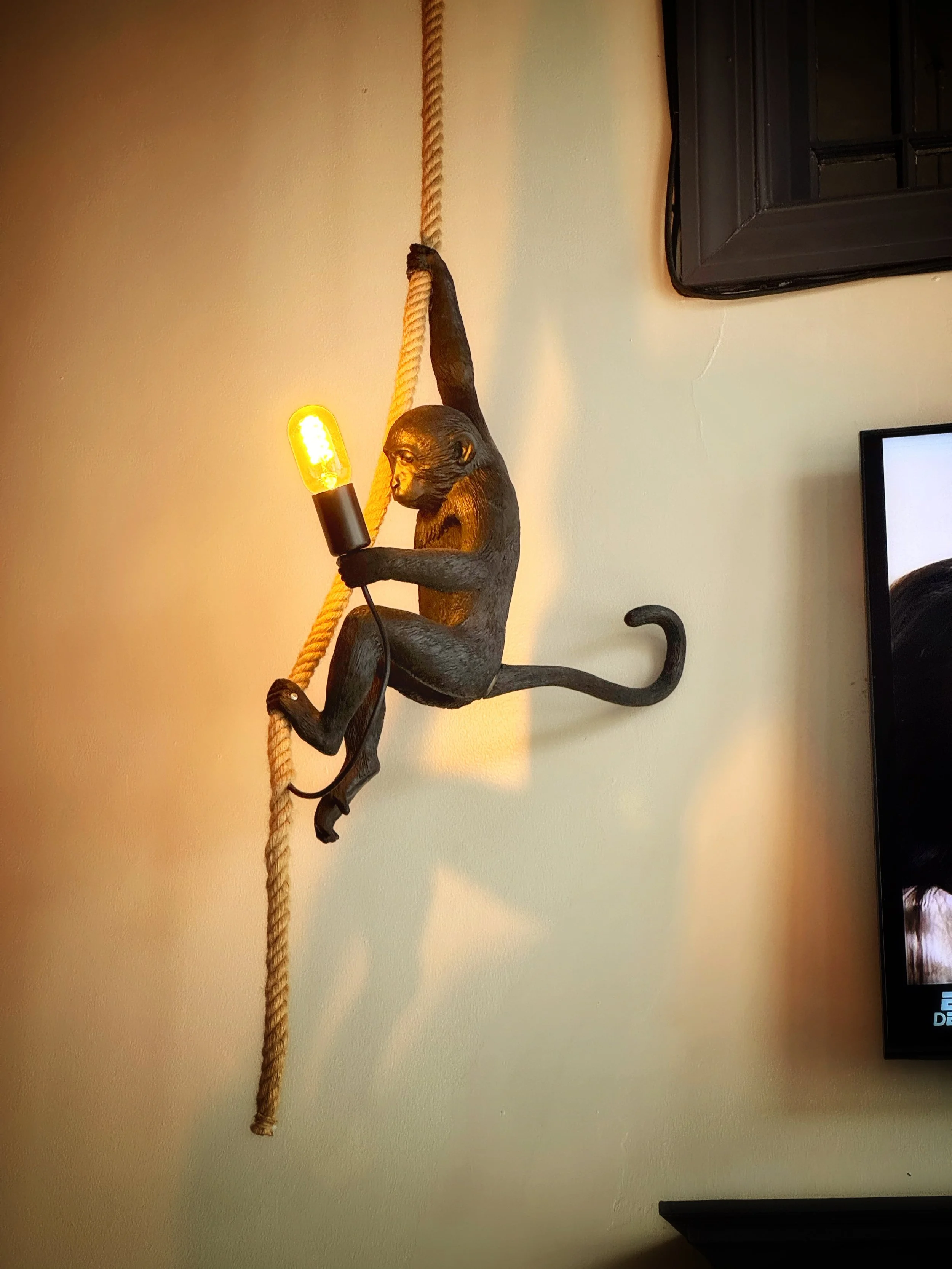
Playful monkeys provide light over the restaurant and bar.
The Brewhouse: A Testament to Ingenuity
Furda operates on a 1994-built, seven-barrel Pub Brewing Company system, a classic piece of equipment that presents both challenges and opportunities. He candidly describes its quirks: an undersized mash tun, leaking steam jackets on the HLT and kettle, and a boiler that frequently breaks. Brewing in the summer can cause the brewhouse to reach 105 degrees Fahrenheit.
Despite these limitations, Furda embraces the equipment, pushing it to perform tasks it wasn't designed for, such as decoction mashing on a single infusion system. The historic district location also means that replacing the system would be a permitting nightmare, making ingenuity a necessity. He finds inspiration in legendary brewers like Ken Grossman of Sierra Nevada Brewing and Sean Hill of Hill Farmstead Brewery, who started on "worse equipment". This challenging environment fosters a deep understanding of the brewing process and a creative problem-solving approach.
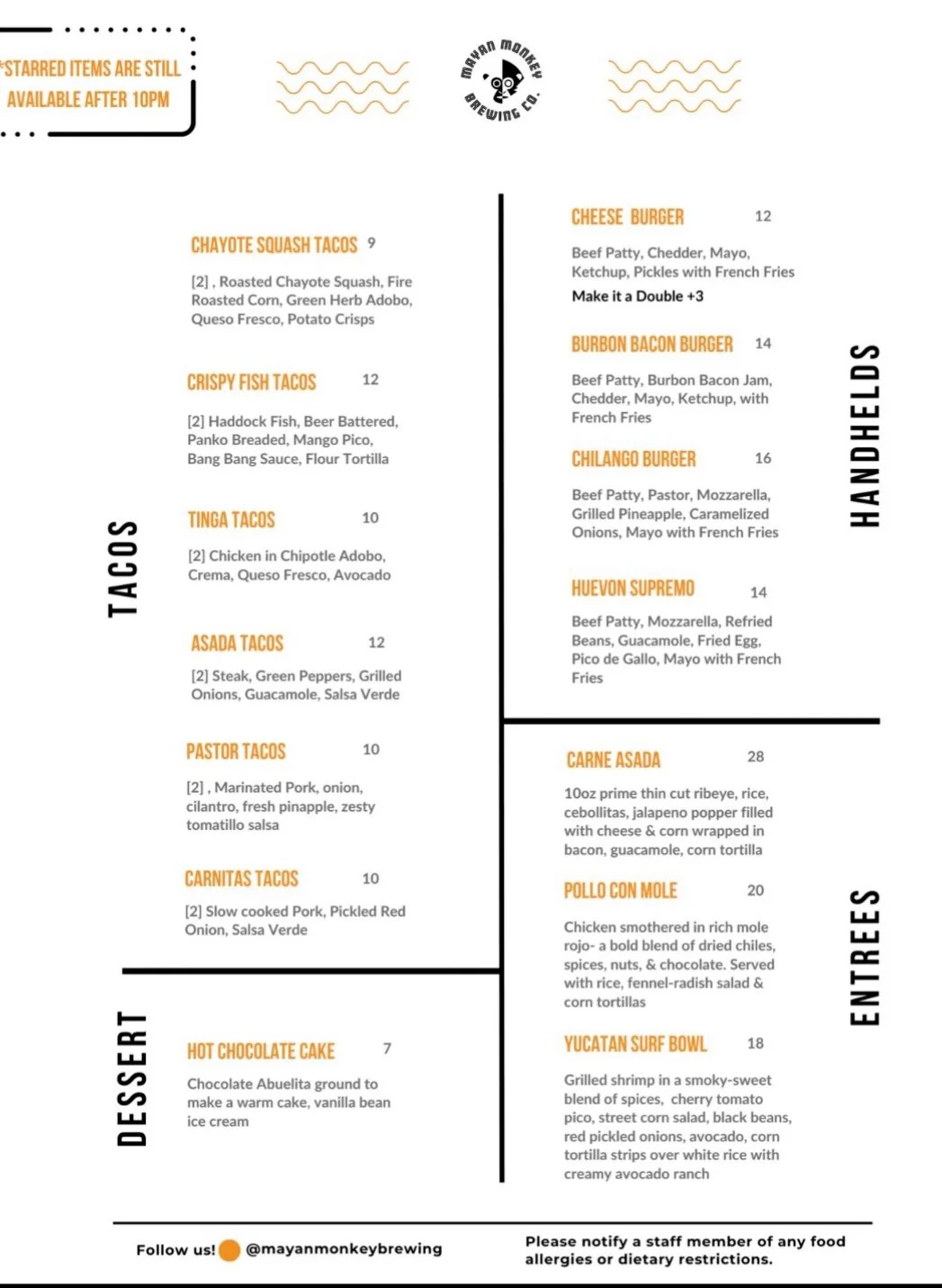
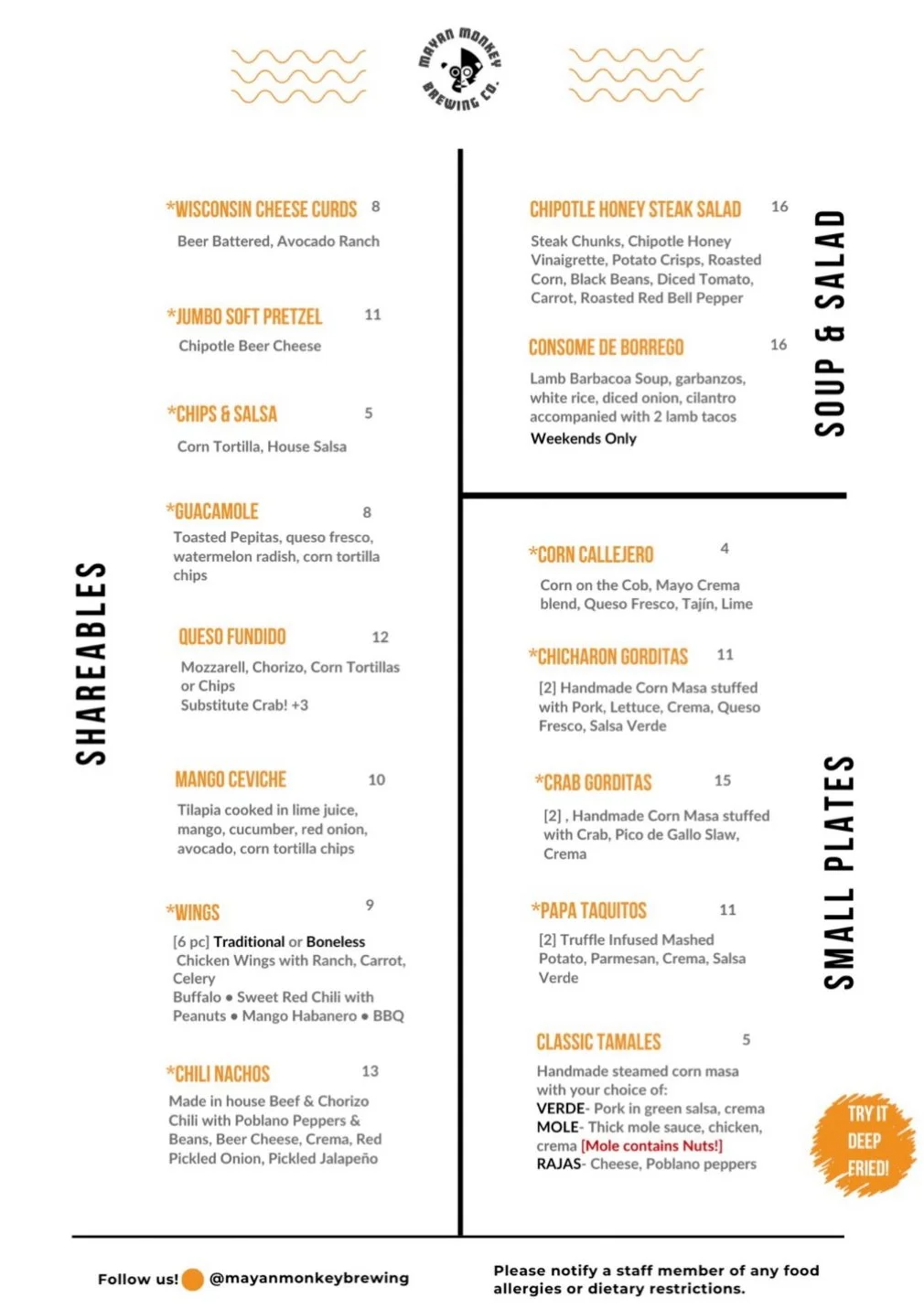
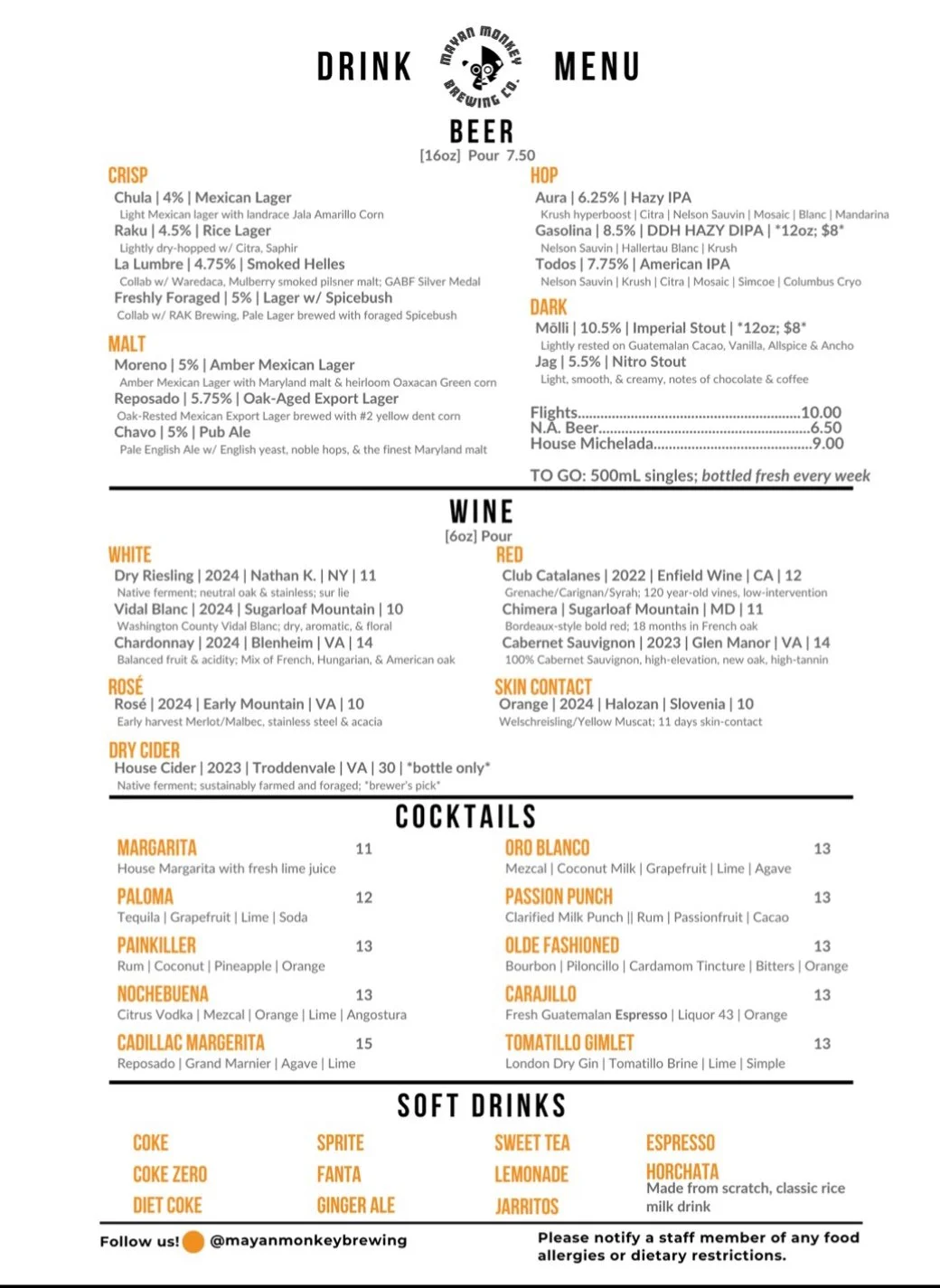
Beyond the Tap: Mixed Culture, Foraging, and Barrel Aging
Furda's creativity extends far beyond the core lineup. He is actively experimenting with mixed-culture fermentation and barrel aging. A particularly exciting project is a light Mexican lager fermented with mixed culture and "citrus garnish discards from every day" – lime, grapefruit, orange, and lemon. This beer, currently aging in barrels, promises a light, citrusy profile with "just a touch of funk".
His past experience at Landmade, where he brewed with foraged and grown ingredients such as apples, elderberries, chamomile, yarrow, peaches, plums, wineberries, and wild cherries, instilled a deep appreciation for local and wild ingredients. This ethos continues at Mayan Monkey, where he plans to incorporate foraging into future small-batch and what he simply describes as "weird stuff".
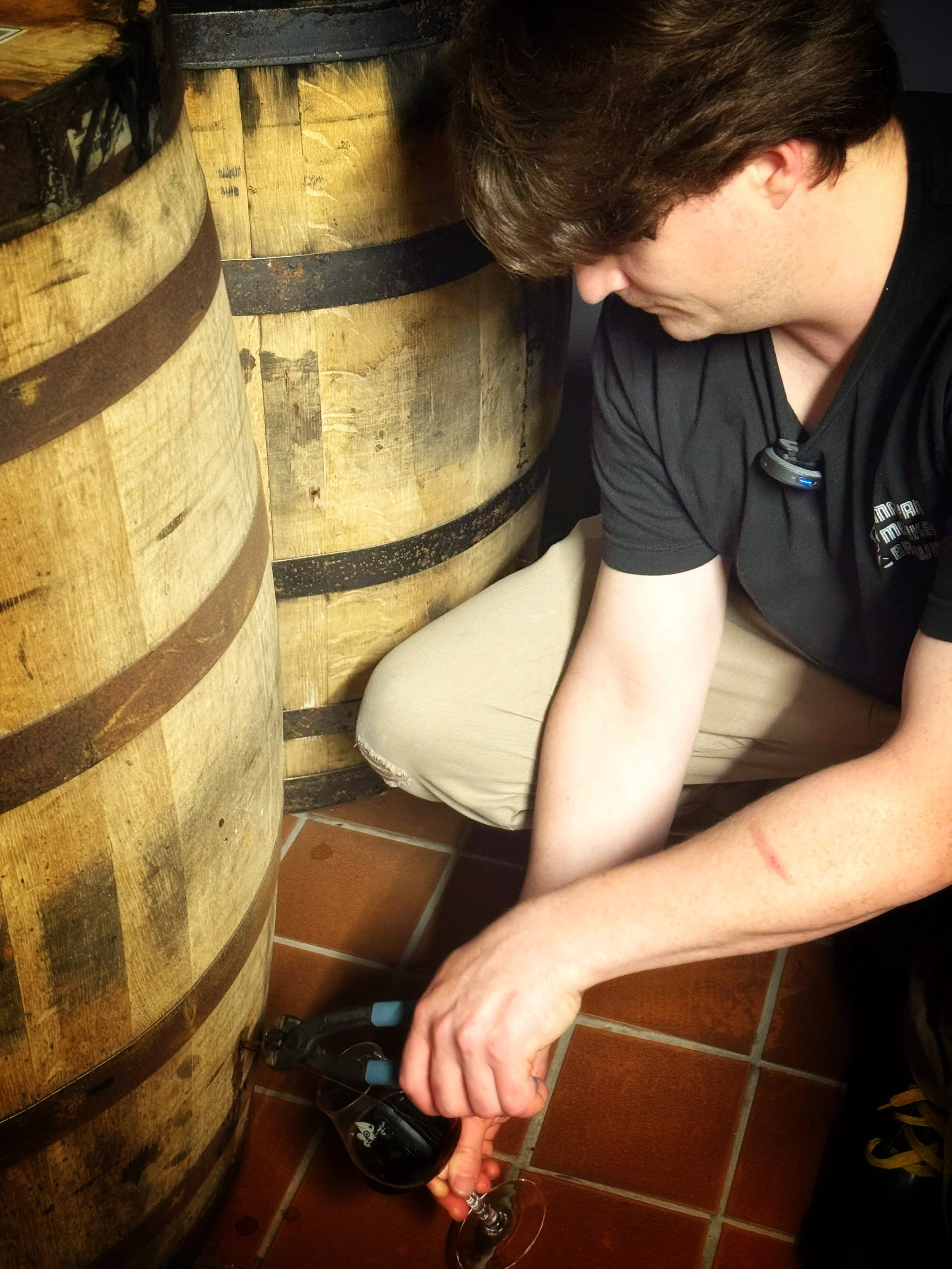
Barrel aging is another area of focus. Furda currently has a 10.5% Imperial Stout aging in five-year rye whiskey barrels from Song Dog Farm Distillery, a new distillery in Boyds, Maryland, aiming for a minimum of two years of aging. He envisions a "true double barrel" process, transferring the beer from one barrel to another to build complexity. Looking ahead, he's keen to explore tequila barrels, especially with a local Montgomery County brand called Tequila Rimari, which he believes would be a perfect fit for Mayan Monkey's identity.
Navigating the Industry: Success in a Shifting Landscape
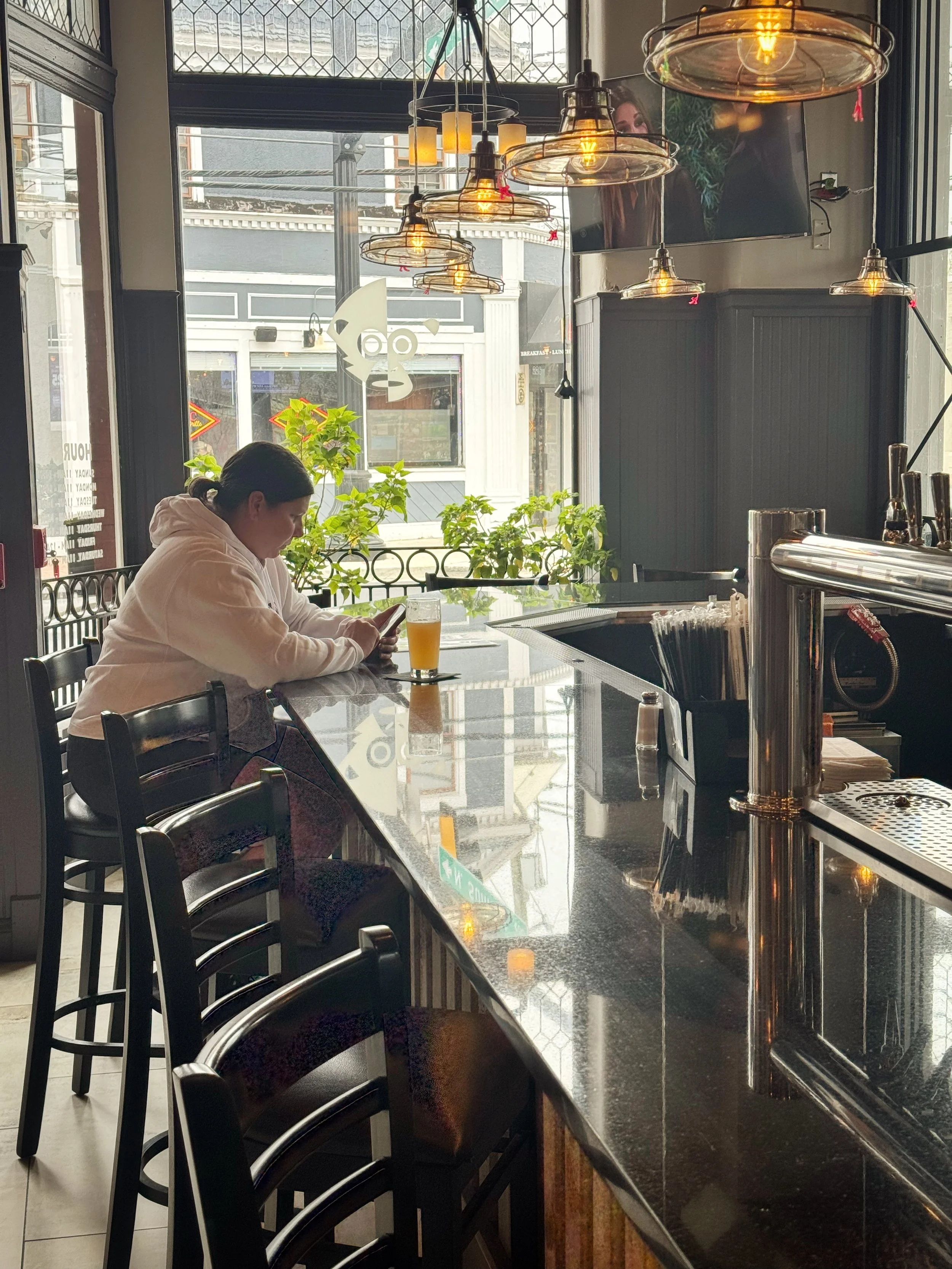
Furda offers pragmatic insights into what makes a brewery successful in today's challenging market. He emphasizes location (Mayan Monkey benefits from half a million people within a 20-minute drive) and the critical role of events in attracting people. Music nights, comedy shows, and Latin dance events are key drivers, filling the space on weekends.
He champions the "all day cafe type of model," advocating for multiple revenue streams like a coffee shop and brunch program to make the brewery a "go to spot any time of day for anything". This vision is already taking shape, with plans for brunch and a coffee program by late spring.
“Hospitality is one of those things you really notice when it’s bad, and then you don’t really notice it again until it’s excellent.”
Hospitality is another cornerstone of his philosophy. Drawing on his experience in the wine industry, particularly at Rocklands Farm Winery, he stresses that while skills can be taught, a positive attitude cannot. He acknowledges the challenge of training staff, many of whom work second jobs, but believes that excellent hospitality, when noticeable in a positive way, is crucial for long-term success.
Furda also touches upon the unique challenges of the Maryland beer scene, specifically the "four-tier system" in Montgomery County. This system, where out-of-state producers must sell to the county, and breweries then buy from the county, adds an extra layer of cost and bureaucracy, making everything "more expensive" and "slower". He believes this system hinders selection and makes it difficult for many breweries to operate efficiently.
The Future: Heritage, Innovation, and Personal Projects
Looking ahead, Furda's creative pipeline is brimming with ambitious projects. He plans to develop a sake-inspired lager using nixtamalized coccocquental corn and growing koji on it, aiming for a "Japanese-inspired Mexican" flavor profile. Another exciting concept is a mezcal-inspired smoked beer, in which he intends to cook sunchokes (similar in starch to agave hearts) in an earthen pit for 72 hours before adding them to the mash, hoping to impart unique fruitiness and smokiness.
“Carolina Gold rice is in the Slow Foods Ark of Taste as a delicious food with historical prevalence worth preserving.”
Perhaps his most personal project is recreating "One Grade Only," a beer brewed by his great-great-great-grandfather for Brehm's Brewing Company in Baltimore in the late 1890s. This historical recreation involves meticulous research into widely available ingredients of the time, including six-row barley, Carolina Gold rice, a heritage grain in the Slow Foods Ark of Taste as a delicious food with historical prevalence worth preserving, and Cocke's Prolific white corn. The latter was thought to be extinct until a 95-year-old in South Carolina was discovered to have been saving its seeds. Furda is personally planting enough Cox's Prolific White corn to brew this light, dry lager, with a release planned for next spring.
“The Ark of Taste is a living catalog of delicious and distinctive foods facing extinction. By identifying and championing these foods, we keep them in production and on our plates.”
Mayan Monkey: Background and Context
Mayan Monkey is the latest venture by experienced local restaurateurs. The owners started with a gas station taco spot, Taco Bar at Rio, twenty years ago. They later opened Ixtapa Lapa about ten years ago, and then Lagula in Milestone in 2020. Mayan Monkey, which opened in mid-2024, is their fourth location. They purchased the current building in late 2023 or early 2024.
The building has a history as a brewery location. The previous tenant was Green Growlers, which closed in 2019. The Sardi's Chicken family bought it, but the project lead passed away from COVID. His relative completed the renovations but ultimately sold the building.
The brewery is a fusion of American and Mexican cultures. Weekday evenings see a full bar area, while weekends are busy due to live music. The upstairs area is used for private events, and food offerings include burgers, leveraging equipment from the location's previous life as an American pub.
Events are a key part of the business. Beyond live music, the brewery diversifies its offerings with comedy shows and Latin dance nights. An open mic night is also being considered to consistently draw in customers.
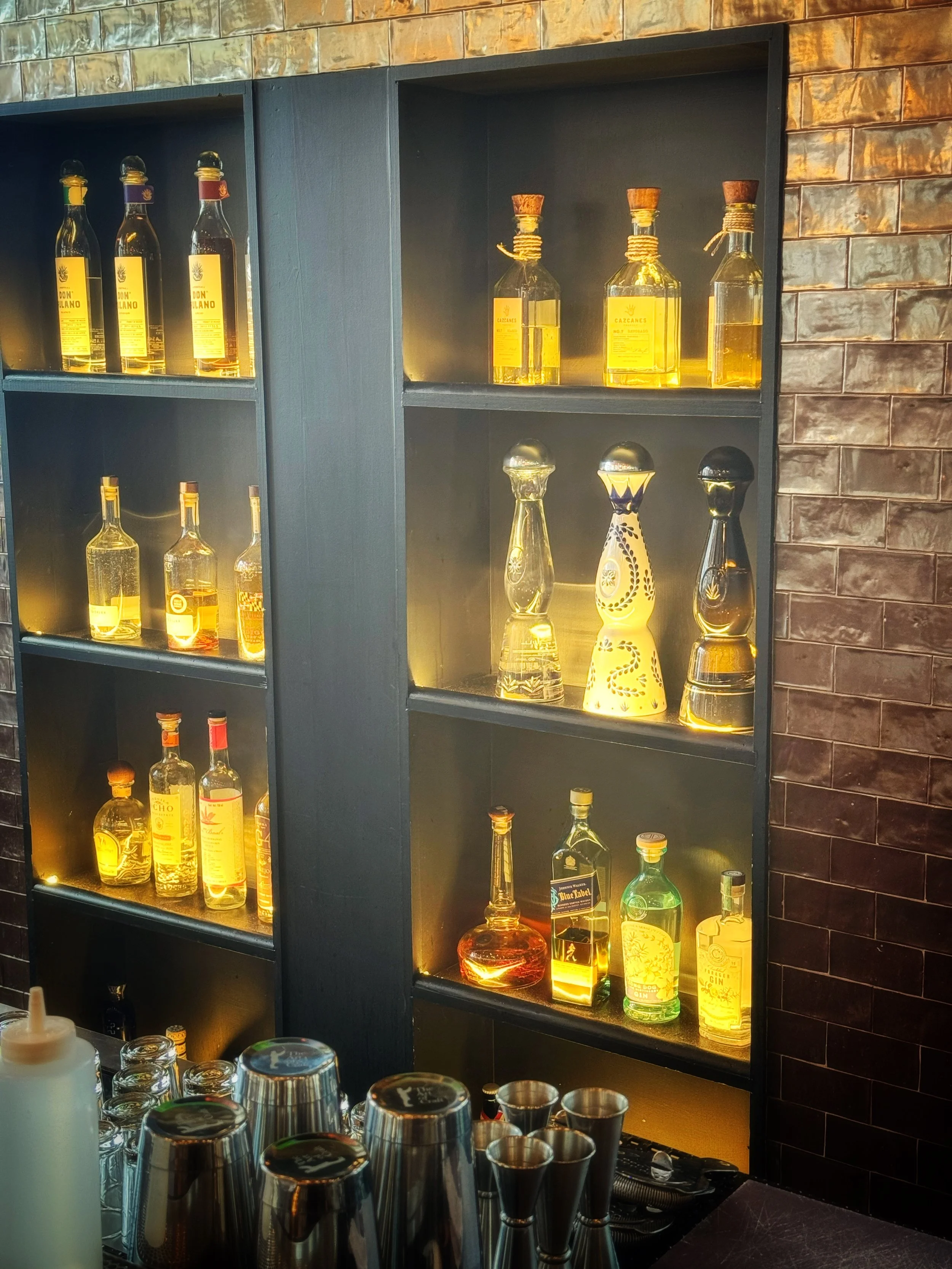
More than a brewery. Housing a brewery and offering in-house-made craft beer is only part of the Mayan Monkey offerings. A look at the tequila shelf and you’ll find a display of 17 tequilas and six mezcals.
The Soul of the Brewer
When asked what interests him most about beer, Furda's answer encompasses the full spectrum: the science, the business, the creative process, and the people. He finds joy in "getting lost in the details" but acknowledges that "it does all fall apart without the social and people aspect and some of the sharing". His ultimate dream, though perhaps not the most profitable, is a "tiny little tap room with ten seats at the bar," offering just four carefully considered beers.
Matt Furda at Mayan Monkey Brewing is more than just a brewer; he's a curator of experiences, a historian of ingredients, and an innovator pushing the boundaries of flavor. His dedication to quality, his embrace of challenges, and his deep connection to both the culinary and historical aspects of his craft make Mayan Monkey Brewing a truly compelling destination for any craft beer enthusiast.